
Loading...
Master of Digital Media (MDM) | Activating Physical + Digital Play
Co-designing differentiated experiences at the edge of physical spaces and immersive media.

Overview

Time

Grad school: Sept 2014 - 2015

Role

Design Technologist

Team

Collaborations with domain experts (multi-modal pedagogy and human-computer interaction (HCI) researchers, artists, and student peers)

Co-Designers

Kids (10-16) and creative participants (artists, policy makers, museum/public stakeholders)

Approach

I designed for differentiated experiences by combining multiple senses with meaningful digital content. Instead of asking people to watch, I built interactive reproductions and tabletop systems where discovery happens through touch, presence, and playful exploration.

Co-design was the method that connected physical space to immersive futures: kids and young audiences shaped ideas through play-based ideation, while artists and stakeholders contributed to the conversations that made the future feel possible, personal, and fun to try.


Impact

These projects demonstrated how physical space can become a storytelling engine for digital and immersive media. They also formed a repeatable playbook for communicating with diverse audiences by anchoring engagement in sensory discovery, embodied interaction, and co-created concepts.

Navigating with Curiosity

My MDM work lived at the seam between real-world contexts (museums, classrooms, playful spaces) and immersive/digital media (content, sensing, projection, and interaction logic). I ran a studio-style loop: prototype quickly, test with audiences, and refine until the experience felt intuitive and emotionally meaningful.

Across projects, I treated the space itself as part of the interface, so scent, touch, and projected topography became ways to reveal story, not just "enhancements" for visuals.

Static prototype image representing multisensory interaction design

Prototype-first iteration: physical computing + digital story, refined through audience feedback.


Key Projects

Cineplex: Future of Entertainment

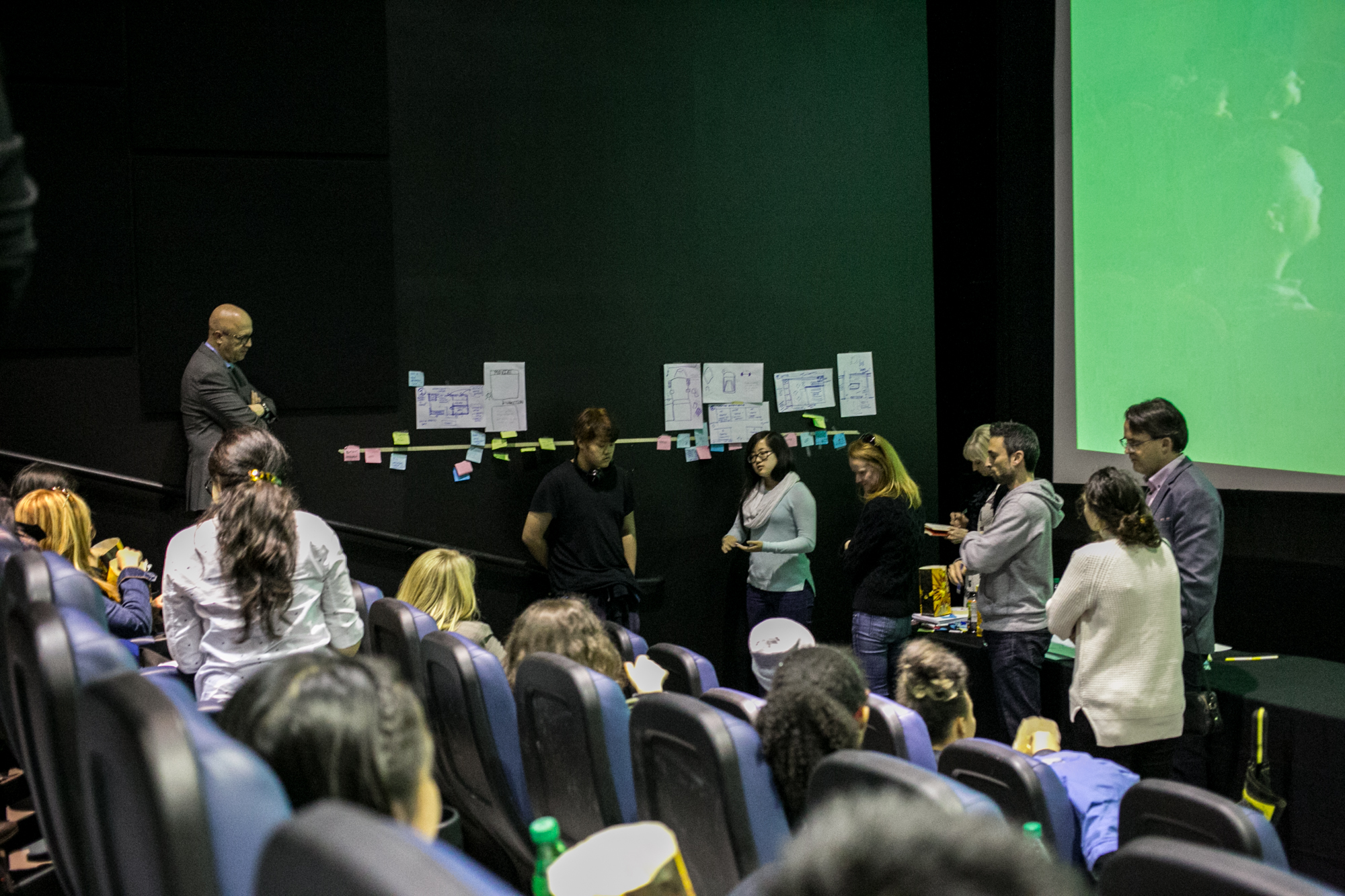
Play-based co-creation workshops with Gen Z that imagined future cinema and tied winning concepts to everyday social lives—'a home away from home.'

Deliverable(s)
Co-created insights that helped shape future content and experience rollouts.

Read more

Sensing History

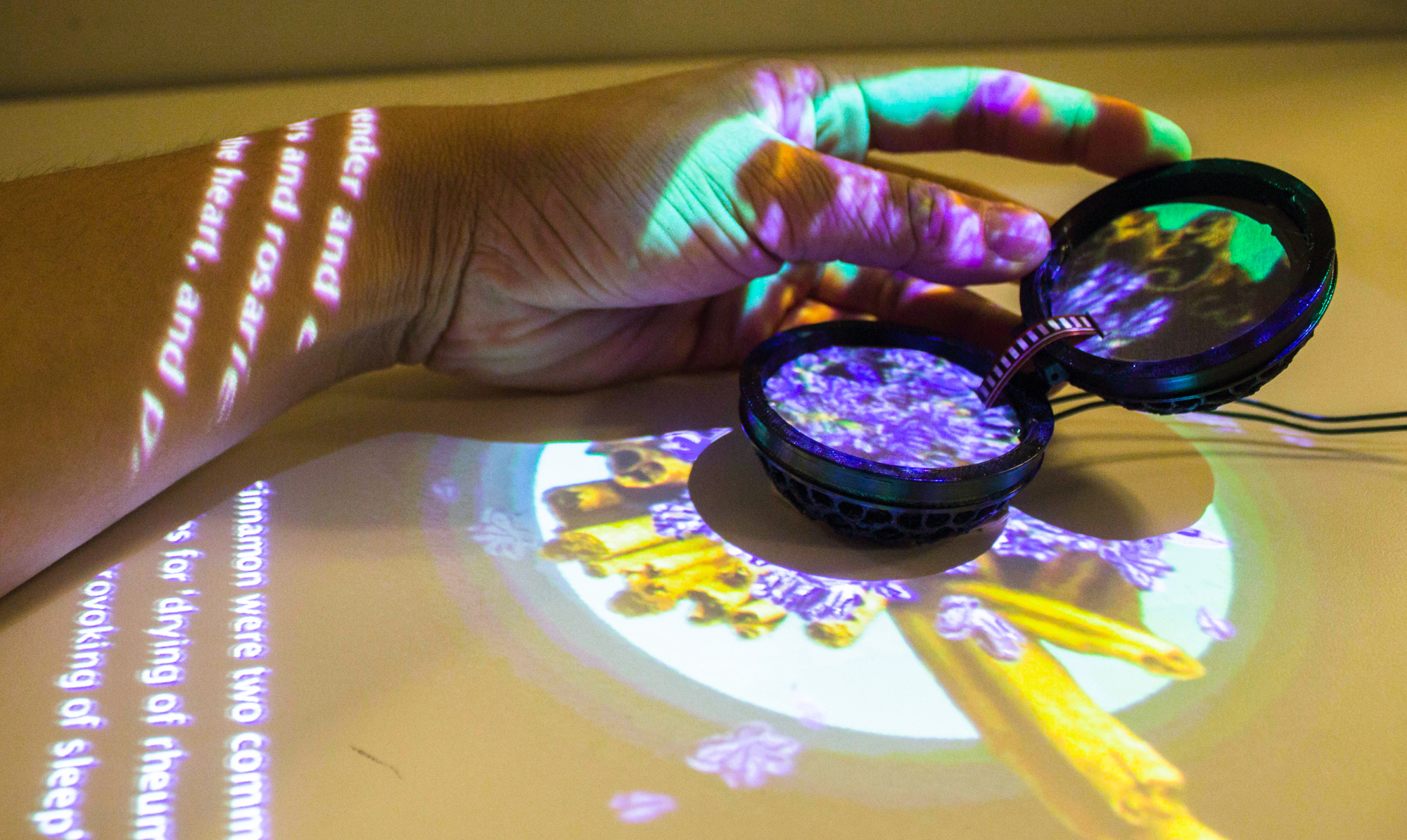
A multisensory museum prototype where DIY physical computing revealed artifact-specific stories via smell, touch, and projected audio.

Deliverable(s)
Made cultural knowledge discoverable and personally meaningful through embodied interaction.

Read more

Augmented Reality Sandbox

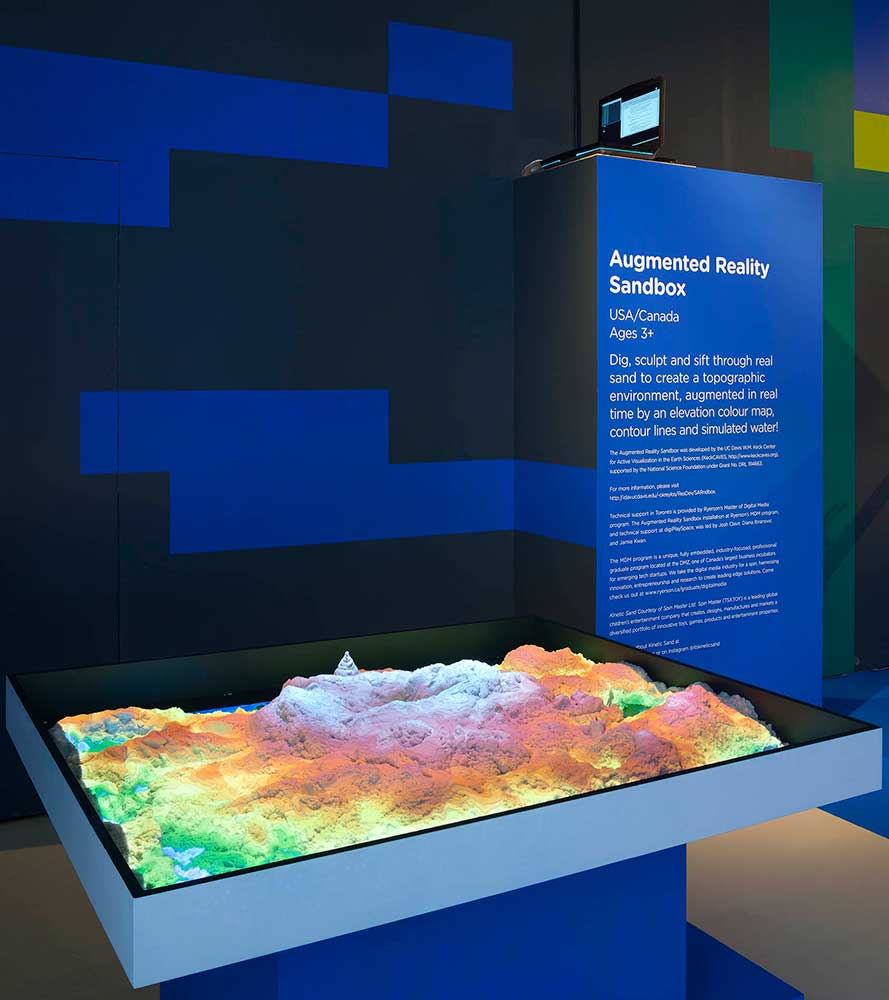
An AR tabletop that projected real-time 3D topography from sand, supporting embodied STEM learning through interactive play.

Deliverable(s)
Turned immersive data visualization into hands-on, tangible exploration.

Read more

Creative Catalyst

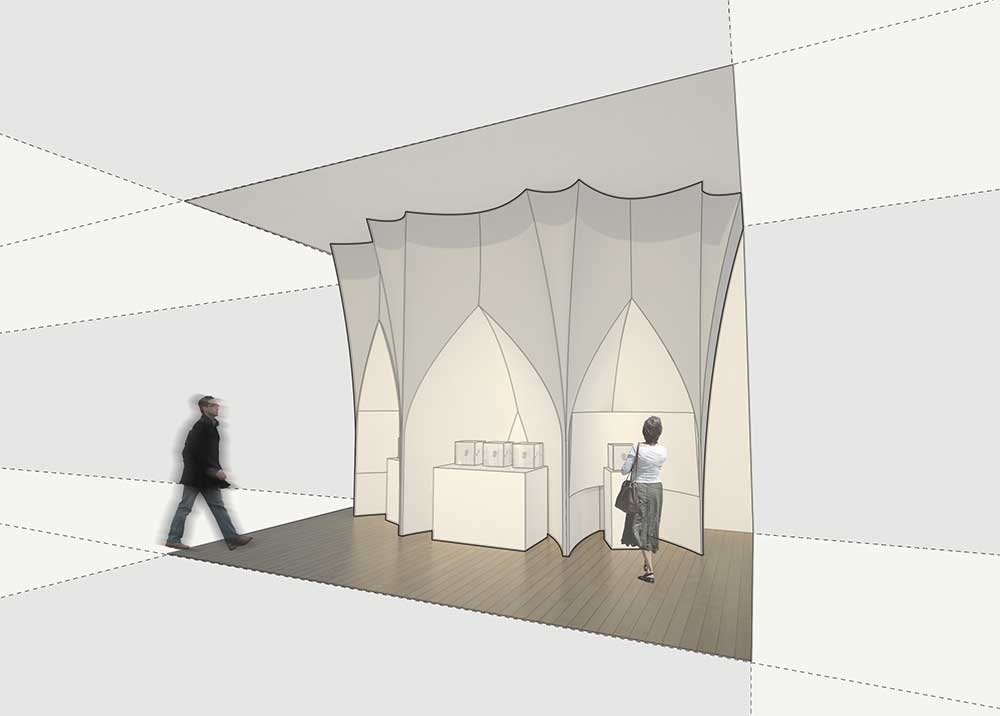
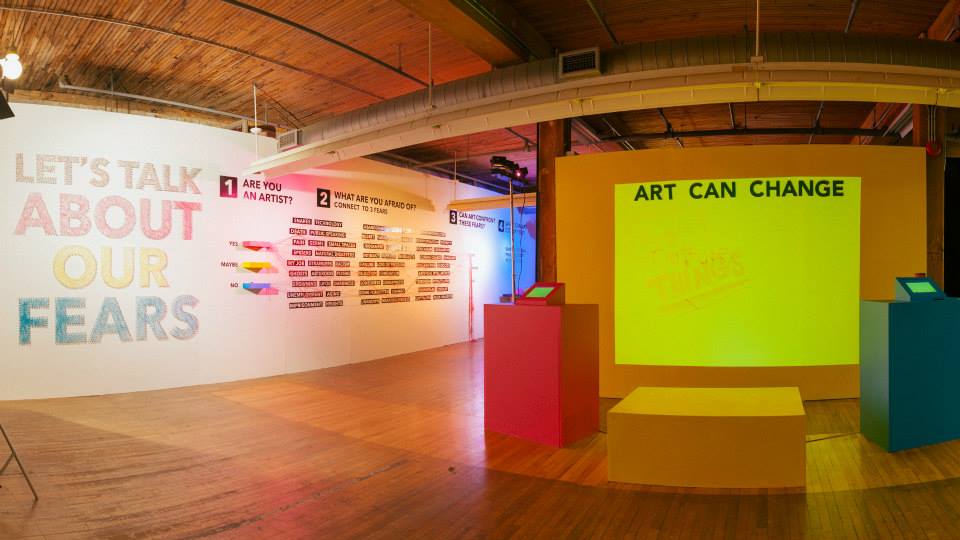
An installation built around 'critical play,' blending analog + digital sketching and playful prompts to help artists and stakeholders engage future city questions.

Deliverable(s)
Converted serendipitous play into a structured pathway for creative dialogue.

Read more


Insights from this Era

TL;DR
Physical space is the interface

Rooms, materials, and multisensory cues do narrative work alongside screens; when bodies can shape, hold, or sense something, complex ideas often land before instructions do.

Co-design beats presentation

The strongest directions came from workshops where kids, artists, and stakeholders built and riffed together—surfacing needs and futures that research decks alone rarely reach.

Prototype fast with modest means

Off-the-shelf sensors, basic fabrication, and rapid physical–digital loops made multisensory concepts testable early—without waiting on bespoke hardware or blockbuster budgets.

Meaning and play over novelty

Every extra sense and every playful exercise needed a point of view tied to discovery or comprehension; disciplined play aligned people across disciplines better than spectacle for its own sake.

What I learned

The space itself is part of the experience.

Executive summary

Physical environments carry meaning — scent, touch, sound, and spatial layout aren’t add-ons to a screen. They’re the primary way people discover and connect with content. When you design the room as part of the interface, digital layers feel natural instead of bolted on.

Details

Museum and classroom work reinforced that layout, materials, and ambient qualities do narrative work before anyone taps a UI. I stopped treating “environment” as production design and started treating it as part of the interaction model.

The best experiences are designed with audiences, not for them.

Executive summary

Co-creation — especially play-based methods with diverse participants — surfaces needs and ideas that research decks miss. It’s what makes an experience feel personally relevant rather than generically “immersive.”

Details

Workshops with kids, artists, and stakeholders consistently produced concepts that felt lived-in. The pattern was simple: invite people to manipulate materials and futures early, then refine — don’t present a finished vision and ask for opinions.

You don’t need a massive budget to prototype sensory experiences.

Executive summary

Off-the-shelf sensors, basic fabrication tools, and everyday materials are enough to build and test working concepts quickly. This puts multisensory design within reach of small teams, not just big productions.

Outcomes
  • Rapid physical + digital loops without waiting on bespoke hardware or large installs.
  • Honest signal on whether a sensory channel actually supports the story.
Details

DIY sensing and cheap fabrication let you test smell, touch, and projection mapping with real people in real rooms — which matters more than polish in early discovery.

Multisensory design gets gimmicky fast without a point of view.

Executive summary

Adding senses for novelty doesn’t make an experience better. What matters is understanding how bodies, spaces, and social contexts interact — and designing for open-ended discovery rather than scripted reactions.

Details

Each extra modality needs a reason tied to meaning or discovery. Otherwise it reads as spectacle. I anchor multisensory choices in what someone should understand or feel, not what impresses in a demo.

What I'm carrying forward

Bodies understand things screens can’t explain.

Executive summary

When people can shape, hold, or smell something, complex ideas become intuitive. They don’t need instructions — the interaction teaches itself. This applies whether you’re communicating data, history, or a brand story.

Outcomes
  • Embodied interfaces as a default for explaining complexity (topography, time, scale, cause and effect).
  • Less reliance on textual explanation when the medium can be directly manipulable.
Details

Sandbox terrain, tactile artifacts, and spatial interaction became my go-to when the goal is comprehension and emotional connection, not just information delivery.

Play is a serious design method.

Executive summary

Play is less about toys and gamified experiences; and more about a mindset of curiosity and asking what-if -- and kids are awesome at this. Hands-on, low-stakes activities — sketching, building, riffing — are how you turn a room full of strangers into co-creators. It makes ideation productive without making it feel like work, and it surfaces ideas that structured workshops often can’t.

Outcomes
  • Shared artifacts and games that make disagreement and imagination visible at the same time.
  • Faster alignment across disciplines because everyone is making, not only talking.
Details

I still use critical play and low-fidelity making to unlock futures work: it lowers the cost of proposing bold ideas and keeps participants invested in outcomes they helped shape.